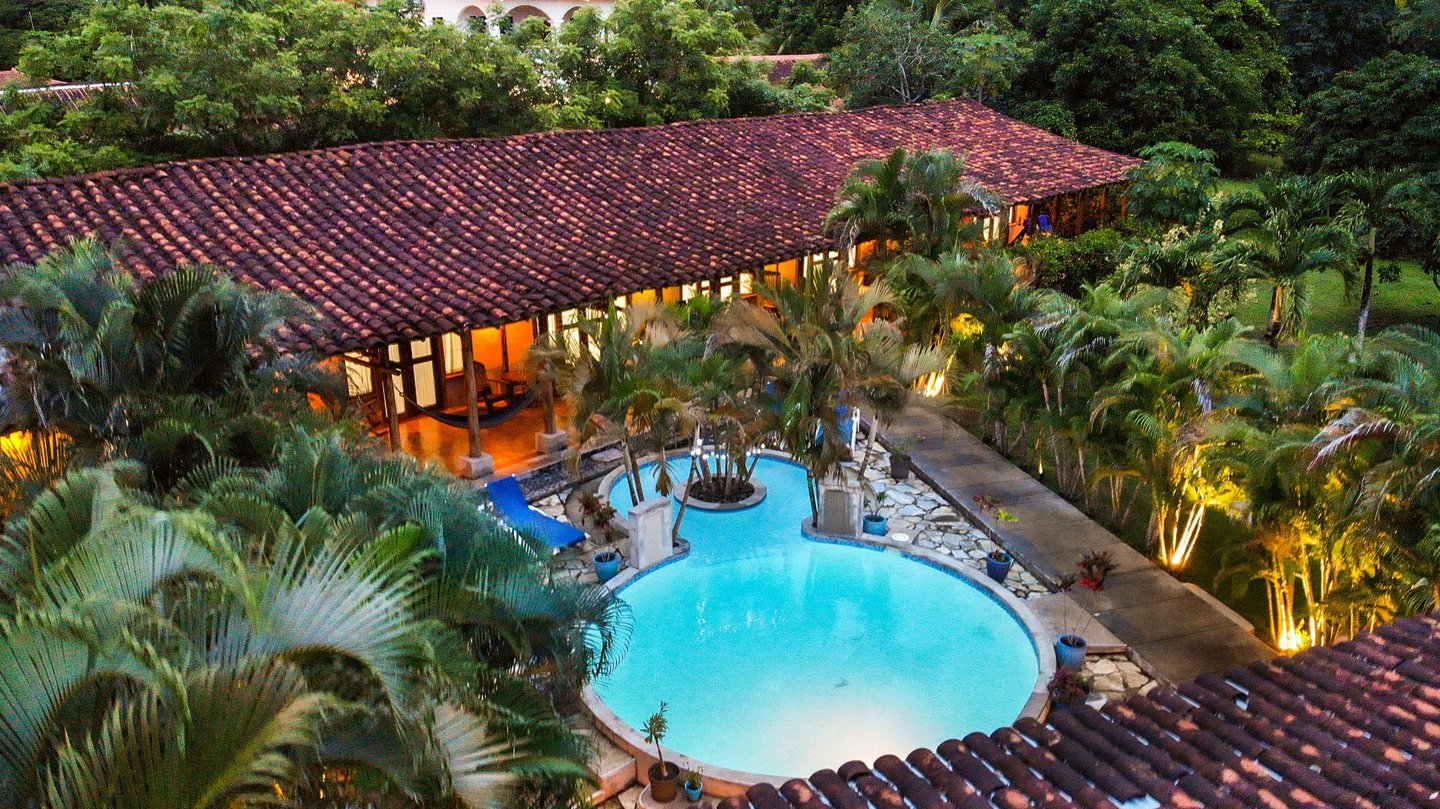
Family bed and breakfast
Casa Lajagua
Family-run bed and breakfast at the entrance to Pedasi
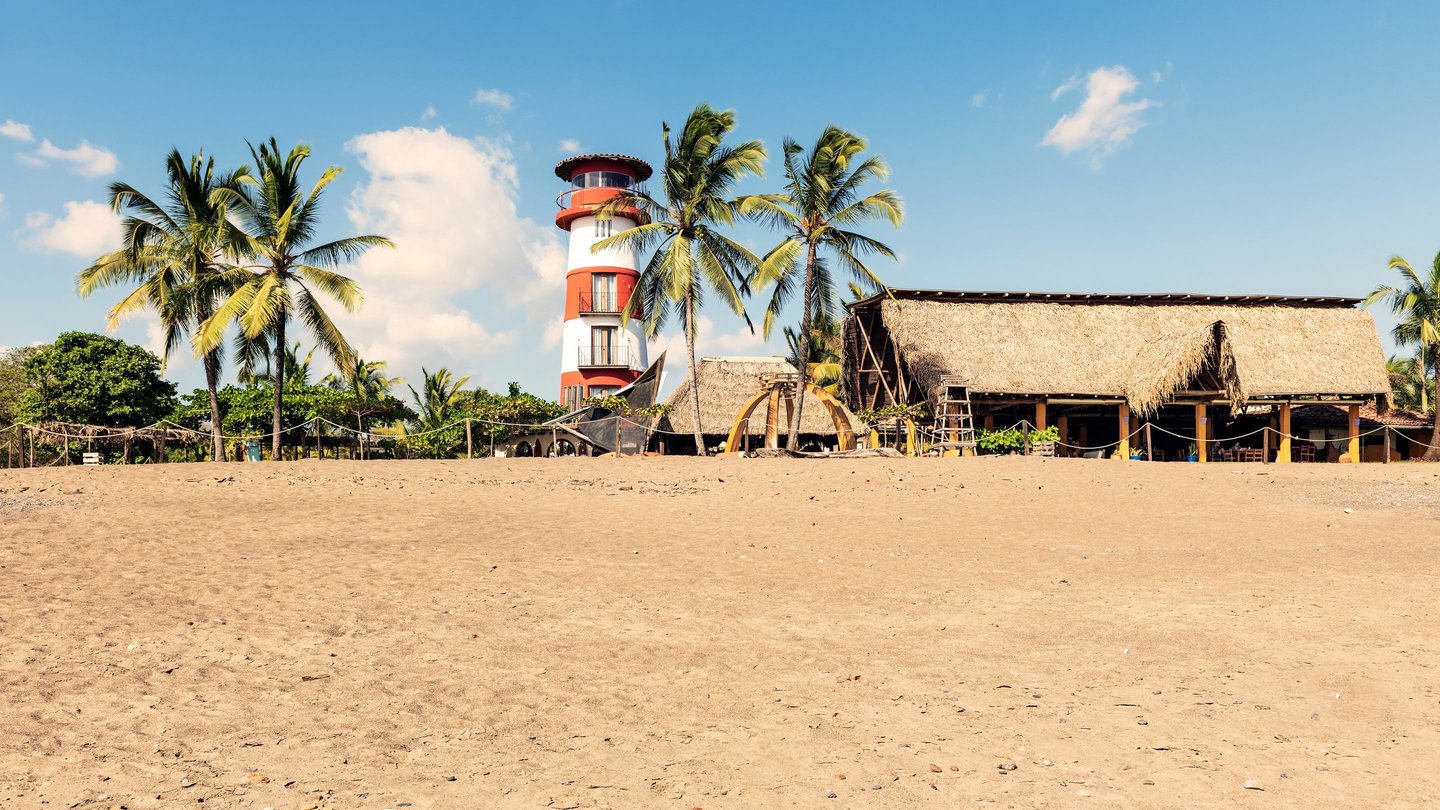
Pedasí, Playa Venao, Cambutal and Isla Cañas sit at the southern end of the Azuero Peninsula on the Pacific: surf, whales, nesting turtles and small towns.
The Azuero Peninsula pushes south into the Pacific between the Gulf of Panama and the Gulf of Chiriquí. The part we send people to is its southern end, in Los Santos Province: Pedasí, Playa Venao, Cambutal and Isla Cañas. The reason to come is the coast. Playa Venao is a horseshoe-shaped bay with a sandy bottom and separate sections for beginner, intermediate and advanced surfers, and it hosted the 2022 Pan American Surf Games. Cambutal, near the end of the road, has seven surf spots and black sand, and it sits at the edge of Cerro Hoya National Park. Off Pedasí, humpback whales come to give birth to their calves, and boats leave from El Arenal beach for the Isla Iguana Wildlife Refuge. Isla Cañas is the most important sea turtle nesting site on Panama's Pacific coast. Between the beaches the road runs through cattle country and small colonial towns, and Pedasí is a working Panamanian town with no high-rise resorts. Visitors usually plan on three nights and many stay longer. One travel guide suggests three to five days.
Each hotel below has its own page: what it is like, where it sits and how to get there.
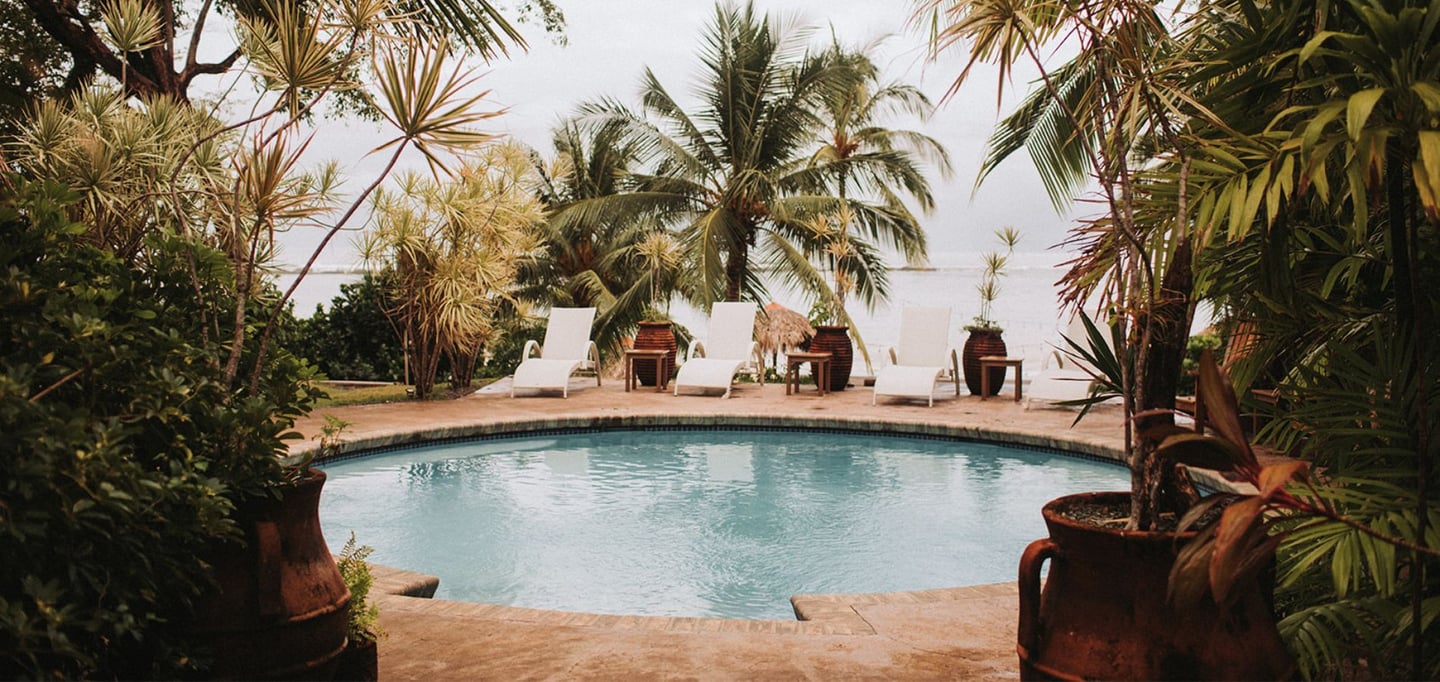
Family-run bed and breakfast at the entrance to Pedasi
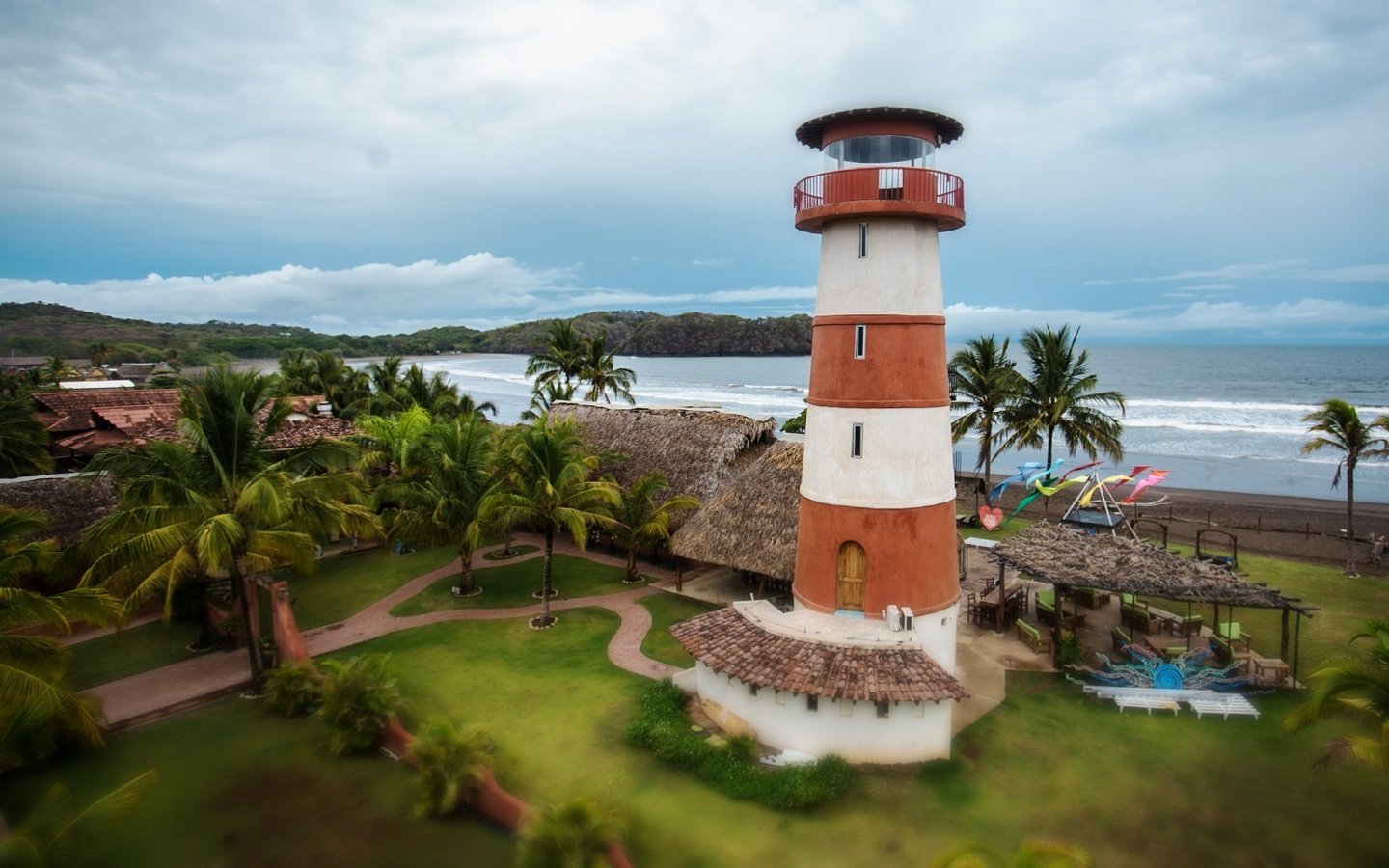
Hand-decorated units on the sand of Playa Venao
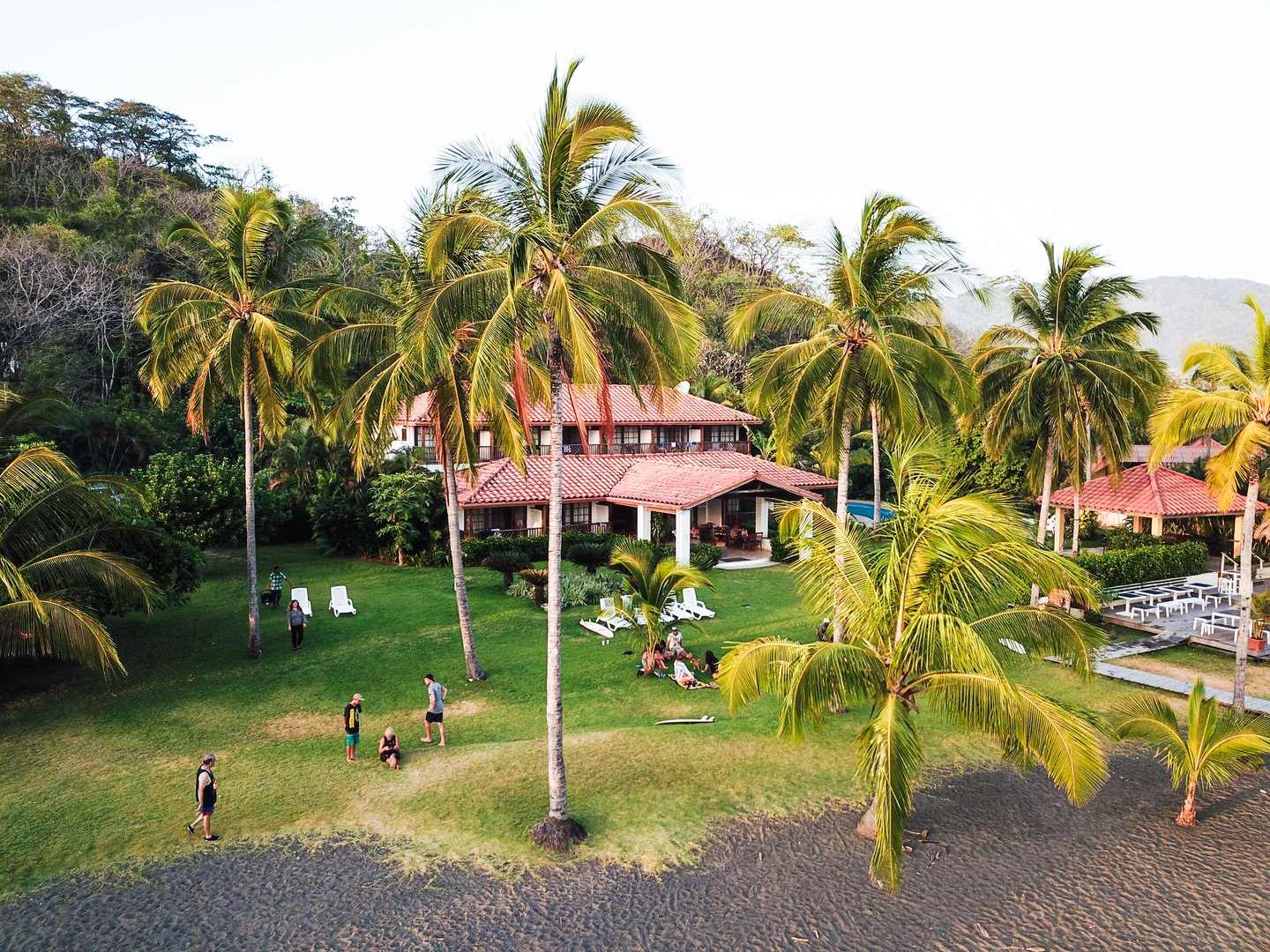
Ten ocean-facing rooms on the black sand of Cambutal
Thirteen cabanas on a Pacific beach, with surf, yoga and a spa
The Pacific side has a dry season from December to April, which is the easiest time for beach days and the best for beginner surfers. The rains start in May, and the bigger swells that advanced surfers look for come in the wet season. Humpback whales and nesting turtles also belong to the wetter months, so a green-season trip has its own reasons.
Visitors usually plan on three nights, and a good number extend. One travel guide suggests three to five days for surf or rest. If you want Pedasí, Playa Venao and Cambutal in one trip, take the longer end, since Playa Venao to Cambutal is about 1 hour by road.
The dry season runs from December to April and is the most reliable for sun. The rains start in May. Beginner and intermediate surfers do best in the dry season, while advanced surfers find bigger waves in the wet season. If you want whales or turtles, you will be travelling in the wetter months.
No. Boats from El Arenal beach in Pedasí go to the Isla Iguana Wildlife Refuge for snorkelling and, in season, whale watching. Cambutal has deep-sea fishing for tuna, snapper, dorado, wahoo and roosterfish. Isla Cañas offers turtle watching with a guide, and Playa Venao has surf schools for first-timers.
Both fall in the wet season. Published month ranges for whale watching and for turtle nesting differ from one source to the next, so we confirm the dates for your travel week when we plan the trip. Humpbacks come to give birth to their calves, and at Isla Cañas thousands of olive ridley turtles can arrive on the same night.
International flights arrive at Tocumen, and you continue by road through Divisa, Chitré and Las Tablas. Pedasí has a small airstrip (PDM) with domestic flights listed from Albrook, but sources disagree on the current schedule, so we check before we book.
The U.S. Embassy in Panama posted that the Department of State renewed its Panama Travel Advisory on August 19, 2026 at Level 2, Exercise Increased Caution, due to crime (https://pa.usembassy.gov/travel-advisory-panama-august-19-2026/). The same notice names the Mosquito Gulf and the Darién Region as areas where U.S. government employees need special authorization. It does not name the Azuero Peninsula. Read the full advisory before you travel.
Tell us your dates and who is coming, and we will plan Azuero Peninsula into a trip shaped around you.
Get A Quote