History
Large Indigenous Population
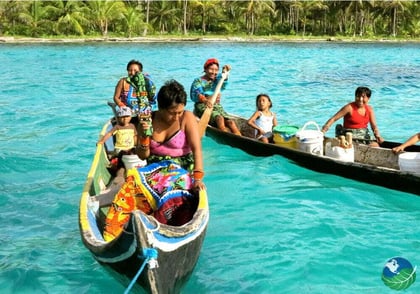
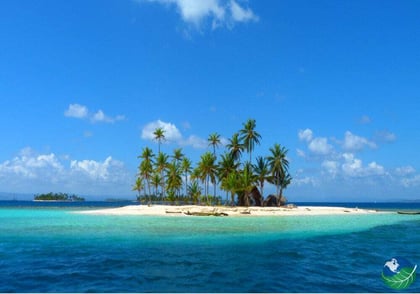
Panama’s history has always been dramatically influenced by its central location. The history is rich with pre-Colombian heritage, which continues to the present day. The native indigenous population has lived here for over 12,000 years and can be visited in the mountains as well as the islands of Las Blas. At the time of the European conquest, the indigenous population was estimated to be between one to two million.
The Conquest
The first European to claim land in Panama, was Rodrigo de Bastidas from Seville in 1501. After that first landing, there was a steady stream of Europeans coming here and claiming land which heightened after Vasco Nuñez de Balboa trekked from the Atlantic Ocean to the Pacific Ocean. Nuñez was the first to discover that Panama was in between the two oceans. After this discovery, Spain used Panama as a route to take Peruvian treasures from the Pacific to the Atlantic.
The Spanish Empire
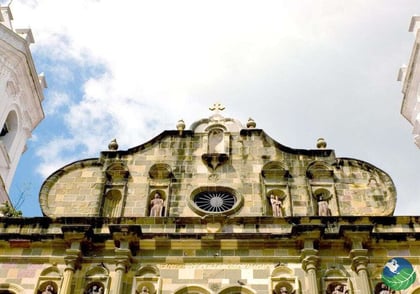
While under the control of Spain, many of the indigenous people were enslaved. The route the Spanish used between the two oceans was known as the Camino Real, or Royal Road, but a more common name was the Camino de Cruces, Walk of Crosses. It remained under the Spanish Empire for 300 years (1538-1821). In 1821 Panama joined the Greater Colombia.
Changing Modernity
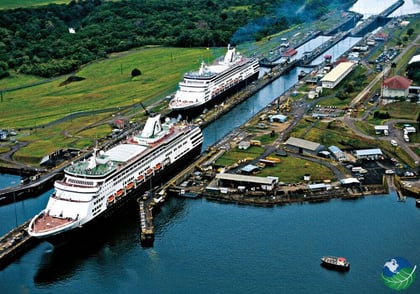
From the start of the 1800s, this country changed dramatically. After joining the Greater Colombia, they effectively declared their own independence and joined again several times. In 1855 the Panama Railway was built across Panama, in light of the great Gold Rush. Modern Panamanian history is greatly shaped by the Panama Canal, which was started in 1880 by the French.
Independence
By 1904 the Panama Canal project was taken over by the United States and was completed in 1914. On November 3, 1903, Panama declared its independence from Colombia and was a commercial oligarchy until 1968. In the 1950s, the Panamanian Military challenged the Republic and in 1968 a coup by Gen. Omar Torrijos overthrew the oligarchy. After Torrijos death, General Manuel Noriega started a military dictatorship. In 1989 the US invaded Panama and Noriga fled. Since then Panama has grown and disbanded the armed military forces.